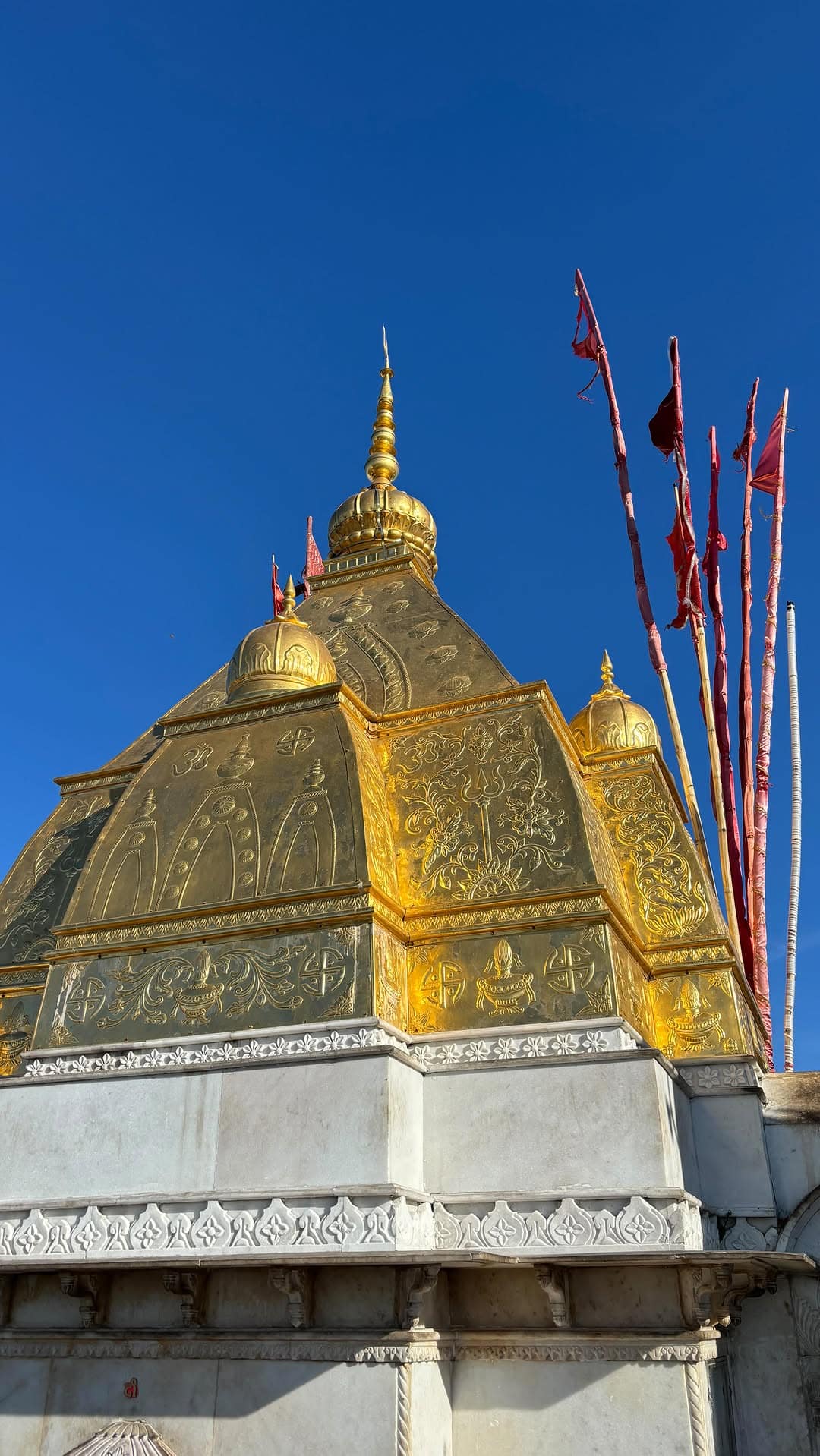
The Char Dham is open for roughly half the year and shut for the rest. The doors at Kedarnath swing open around late April or early May, on dates fixed each year by the temple committees according to the Hindu calendar, and they close again near Bhai Dooj in late October or early November, when the deity is carried down to its winter seat and snow seals the valley. Plan inside that window and the only real decision left is which part of it to choose.
The season is not one long stretch of the same weather and the same crowd. It has a shape, and the pilgrims who read it well get a far better yatra than the ones who simply book the first free weekend.
The opening fortnight: beautiful and brutal
The first two weeks after the doors open are the most photographed and the most punishing. Snow still sits around the Kedarnath temple, the light is extraordinary, and the whole country seems to arrive at once. This is when the daily count runs to the 30,000 to 40,000 that locals describe, and when registration slots vanish fastest.
If the snow and the opening ceremony matter to you, go then, but go knowing the queue is part of the deal. Register the day the portal opens and build in spare days for weather.
Late June and early September: the quiet middle
These are the weeks we steer most pilgrims towards. The opening rush has passed, the monsoon has not yet arrived in force or has just withdrawn, and the same darshan that takes hours in May can take a fraction of that. The weather is settled, the hill roads are at their safest, and the towns are calm enough to actually feel the place rather than just survive the crowd.
You give up the fresh snow of the opening. You get the mountain on far better terms.
The monsoon weeks: handle with care
From mid-July through August the rain reaches the Garhwal hills, and the same slopes that make the region beautiful become prone to landslides and road blocks. Pilgrimage does not stop, but it slows and it carries risk, and a single blocked road can cost you a day. We generally route around the heaviest weeks, and when guests are set on monsoon dates we build in buffers and keep alternatives ready.
The closing days: a quieter intensity
As the doors approach their winter close in late October, the crowds thin, the air sharpens and the high passes turn cold. The last darshan of the year has a feeling the opening does not, a sense of the season ending. It suits pilgrims who want the mountain emptier and do not mind genuine cold. After the doors shut, the deities are worshipped at their winter seats in the valley, so the devotion continues even when the high shrines are under snow.
A note on the four shrines together
The classic Char Dham circuit covers Yamunotri, Gangotri, Kedarnath and Badrinath, all of them in the Garhwal division of Uttarakhand. People often ask why none sit in the Kumaon hills to the east, which hold ancient and significant temples of their own. The answer is simply where the tradition placed them, along the headwaters of the Yamuna, the Ganga, the Mandakini and the Alaknanda. Covered properly, end to end, the circuit runs eight to eleven days. Rushed, it becomes a blur of road and queue. The season you pick shapes how much of it you actually take in.
So, which weeks?
Go in late June or early September for the gentlest experience. Go in the opening fortnight if the snow and the ceremony are the point and you can stomach the crowd. Treat mid-July to August with respect. And whichever you choose, register the moment dates are published, because the calendar that opens the doors also sets the cap on how many walk through them each day.
If you would rather have all of this handled for you, that is what we do. Tell Ritesh where your heart wishes to go.
WhatsApp Ritesh