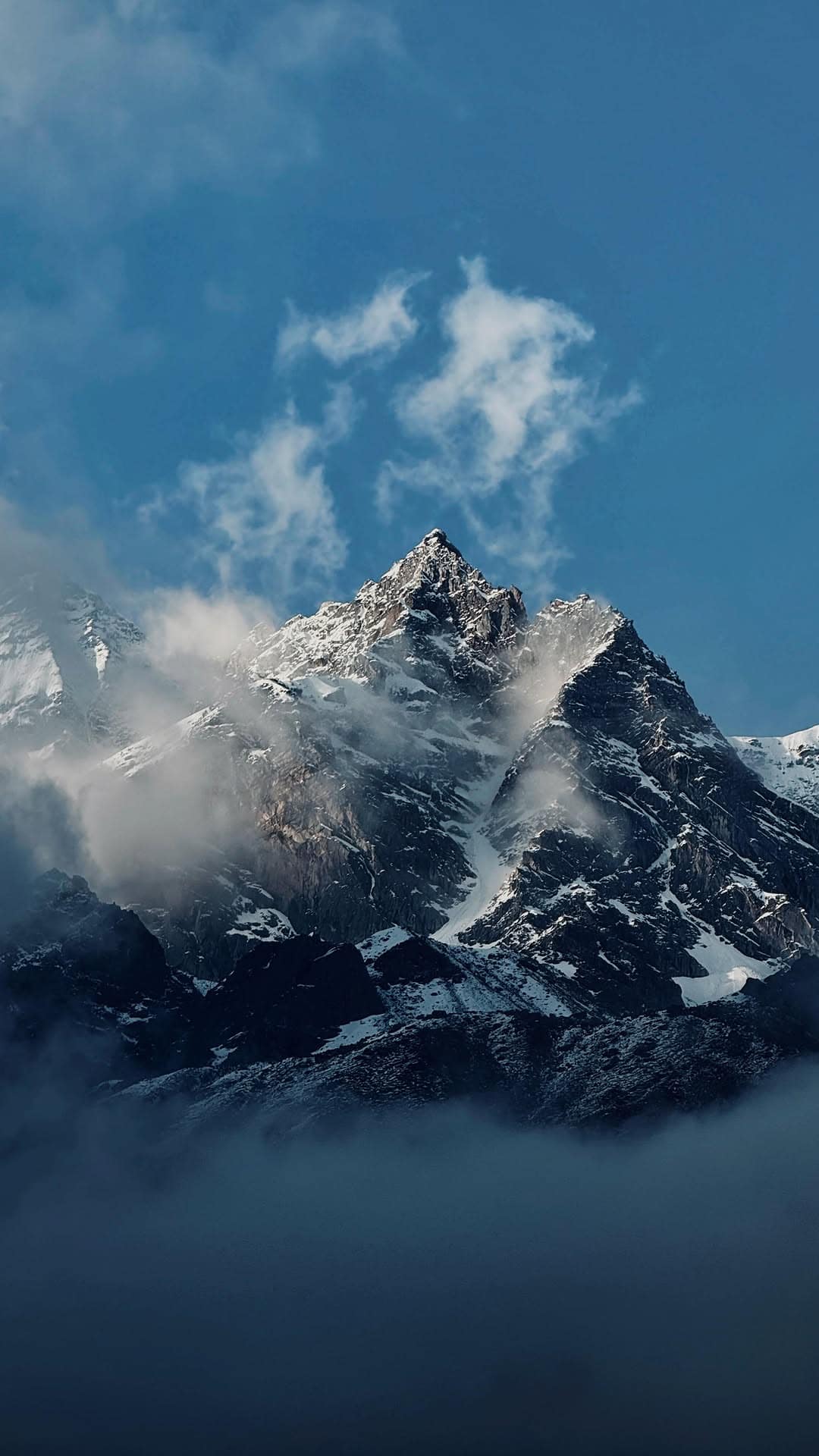
The Char Dham is busier than it has ever been. The 2024 season drew more than four million registered pilgrims across Yamunotri, Gangotri, Kedarnath and Badrinath, and the state has spent the past two years trying to keep that number from overwhelming four small Himalayan towns. The result is a set of rules that catch first-time pilgrims off guard. Most of them are sensible. A few will change how you pack and when you arrive.
Here is what is actually different in 2026, and what to do about each.
Registration is no longer optional
You cannot walk up to any of the four shrines without a registration number. The Uttarakhand tourism department runs the official portal at registrationandtouristcare.uk.gov.in, and the same registration covers the helicopter route to Kedarnath. Every member of your group needs one, children included, tied to a government photo ID.
The portals open a few weeks before the temple doors do, and the early slots for the opening fortnight go quickly. In 2024 the daily darshan caps were set at 18,000 for Badrinath, 16,000 for Kedarnath, 11,000 for Gangotri and 6,000 for Yamunotri. When a day fills, it fills. Pilgrims who turned up at Haridwar without a number were turned back at the checkposts before they reached the hills at all.
If you are travelling with us, this is handled before you leave home. If you are arranging it yourself, register the moment dates are announced and screenshot every confirmation.
Phones and cameras are now banned inside the temples
This is the change people argue about most. From the 2026 season, mobile phones and cameras are prohibited inside the temple premises at all four dhams, a rule the state framed as protecting the sanctity of darshan after years of selfie queues and reels blocking the sanctum. The announcement in January 2026 was met, on the Uttarakhand forums at least, with relief rather than complaint.
What it means in practice: take your photographs of the temple from the courtyard and the approach, then leave the phone with your group or in a locker before you join the darshan line. Plan for it. The worst time to discover the rule is at the door, an hour into a queue.
The crowds are real, and they peak predictably
A local who worked at Kedarnath for two seasons put the official figure at 30,000 to 40,000 people a day at the height of the season, and noted that the real count runs higher. That is a town of a few hundred residents absorbing a small city every morning.
The crush is not evenly spread. It clusters around the temple opening in late April and early May, the long weekends, and the days just before the doors close for winter. If your dates are flexible, the second half of June and the first weeks of September are far gentler, with the same darshan and a fraction of the queue. The monsoon window from mid-July to August brings landslide risk on the hill roads, so we tend to route around it.
Vehicle and route controls have tightened
Green cards for commercial vehicles, trip cards for each journey and pollution checks are now enforced on the yatra routes, partly in response to the litter and traffic that pilgrims themselves have complained about. For most visitors this is invisible because it sits with the operator. If you are driving your own vehicle into the hills, carry your documents and expect checkposts.
What none of this changes
The darshan itself is the same as it has always been. The walk up to Kedarnath is still roughly 16 to 18 kilometres of climbing from Gaurikund, the air at 3,583 metres is still thin, and the moment you reach the temple is still worth every hour of the approach. The rules are a layer of administration around an experience that has not moved in centuries.
The practical takeaway is short. Register early, travel in the shoulder weeks if you can, and make your peace with leaving the phone behind at the door. Do that and 2026 is, if anything, a calmer yatra than the years before it.
If you would rather have all of this handled for you, that is what we do. Tell Ritesh where your heart wishes to go.
WhatsApp Ritesh